
Exploring the Power of Real-Time Translation Technology
Language barriers can slow down communication and create misunderstandings. Real-time translation technology changes this. It allows people to communicate instantly, no matter what language they speak. This technology is transforming how public administrations, airports, universities, hospitals, and retail stores operate. It makes services more accessible and efficient. Let me take you through the power of real-time translation technology and why it matters.
How Real-Time Translation Technology Works
Real-time translation technology uses advanced software to convert spoken or written language instantly. It relies on artificial intelligence, machine learning, and natural language processing. These tools analyse the input language, understand its meaning, and produce an accurate translation in the target language.
The process happens in seconds. For example, a visitor at an airport can speak in their native language, and the system will translate it immediately for the staff. This reduces wait times and improves customer experience.
The technology supports multiple languages and dialects. It can also handle different accents and speech speeds. This flexibility makes it ideal for diverse environments like hospitals or universities where many languages are spoken.
Key Features of Real-Time Translation Technology
Instant translation of speech or text
Support for multiple languages and dialects
Voice recognition with high accuracy
Integration with devices like smartphones, kiosks, or headsets
Transcription services for hearing-impaired users
These features help organisations communicate clearly and efficiently. They also promote inclusivity by breaking down language barriers.

Benefits of Real-Time Translation Technology in Public Services
Public services often deal with people from different backgrounds. Real-time translation technology helps these services become more accessible and user-friendly.
Airports
Airports are hubs for international travellers. Real-time translation technology helps staff assist passengers quickly. It reduces confusion during check-in, security checks, and boarding. This technology also improves safety by ensuring clear communication during emergencies.
Hospitals
In healthcare, clear communication is critical. Real-time translation technology helps doctors and nurses understand patients’ symptoms and concerns. It reduces the risk of misdiagnosis and improves patient care. It also supports patients who are deaf or hard of hearing by providing live transcription.
Universities
Universities attract students from all over the world. Real-time translation technology helps lecturers and students communicate better. It supports live lectures, group discussions, and administrative services. This technology fosters a more inclusive learning environment.
Retail Stores
Retail stores benefit from real-time translation by serving customers in their preferred language. It enhances customer satisfaction and boosts sales. Staff can answer questions and provide product information without language barriers.
What is the cuckoo language translation?
The cuckoo language translation is a concept that refers to a unique approach in real-time translation technology. It focuses on translating idiomatic expressions, cultural references, and slang accurately. This method ensures that the meaning is preserved, not just the words.
For example, a phrase like "break a leg" in English means "good luck." A literal translation would confuse non-native speakers. The cuckoo language translation recognises such phrases and finds the equivalent expression in the target language.
This approach improves communication by making translations more natural and understandable. It is especially useful in public services where clear and culturally sensitive communication is essential.

Practical Applications and Recommendations
To make the most of real-time translation technology, organisations should consider the following:
Choose the right platform - Look for solutions that support the languages and dialects relevant to your audience. Ensure the platform offers high accuracy and fast processing.
Train staff - Provide training on how to use translation devices and software effectively. Encourage staff to be patient and clear when communicating.
Integrate with existing systems - Use translation technology that can connect with your current communication tools, such as call centres or information kiosks.
Focus on accessibility - Include transcription and captioning features to support hearing-impaired users.
Test regularly - Conduct regular tests to ensure the technology works well in real-world scenarios and update it as needed.
By following these steps, organisations can improve communication, reduce errors, and enhance user experience.
The Future of Communication with Real-Time Translation
Real-time translation technology is evolving rapidly. New developments include better voice recognition, more languages, and improved cultural understanding. These advances will make communication even smoother.
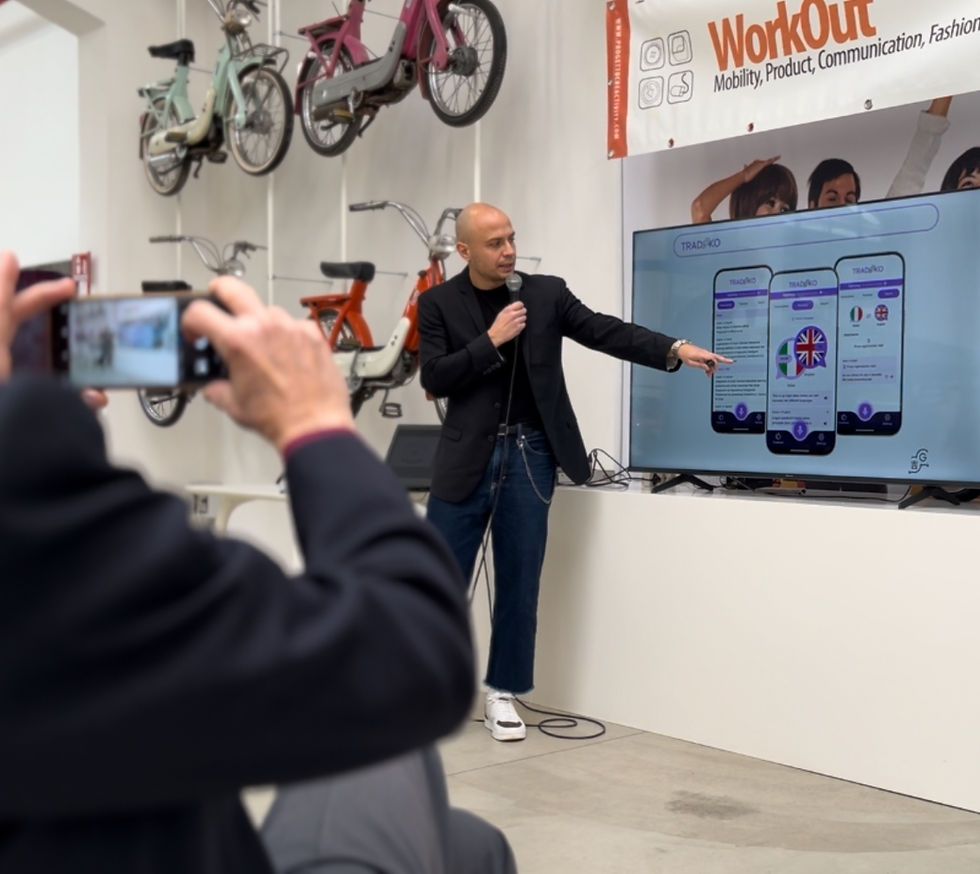
Platforms like tradooko are leading the way. They aim to provide continuous real-time translation and transcription services. Their goal is to break down communication barriers in both public and private sectors. This will create a more inclusive world where everyone can participate fully, regardless of language or hearing ability.
The future promises seamless conversations across languages. This will improve public services, foster global connections, and open new opportunities for collaboration.
Real-time translation technology is a game-changer. It removes language barriers and makes communication instant and clear. Public administrations, airports, universities, hospitals, and retail stores can all benefit. By adopting this technology, they can serve their communities better and create a more inclusive environment. The power of real-time translation is here - it’s time to embrace it.


Comments